Now Reading: The power of coloring: How a simple activity boosts child development and strengthens bonds
-
01
The power of coloring: How a simple activity boosts child development and strengthens bonds

The power of coloring: How a simple activity boosts child development and strengthens bonds

Coloring may seem like a simple, quiet pastime, but it holds a wealth of developmental benefits for children—and meaningful opportunities for connection with the people who care for them. In a world dominated by fast-paced technology and constant distractions, this humble activity provides a rare moment of calm, focus, and creativity. It’s not just about staying inside the lines; it’s about building a strong foundation for growth, learning, and emotional connection.
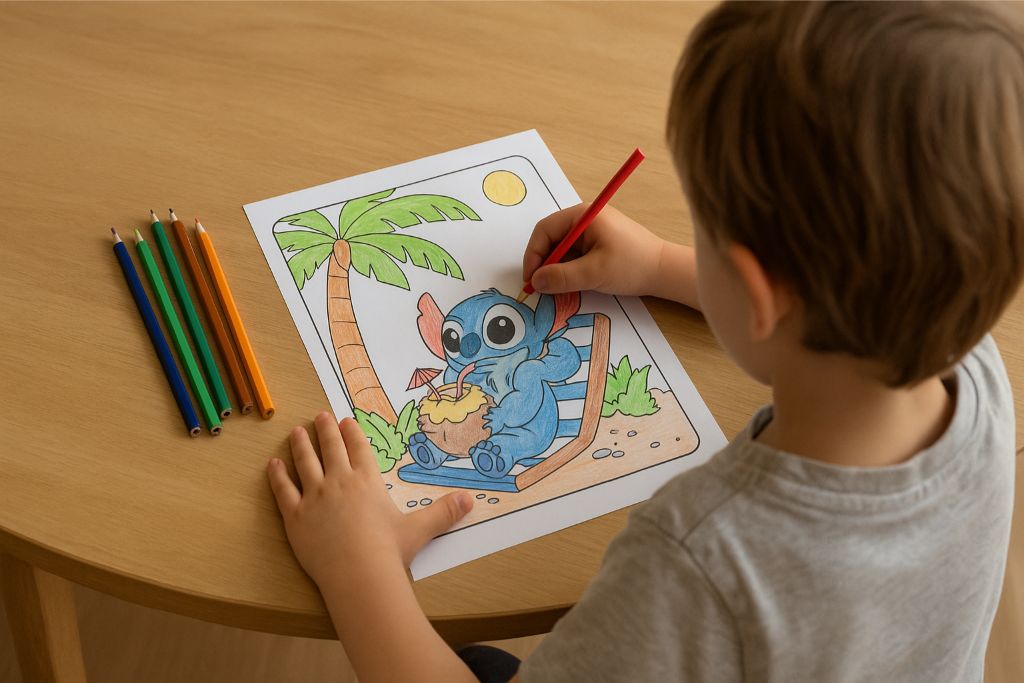
When children color, they’re engaging in a complex interplay of mental and physical processes. Holding a crayon or colored pencil strengthens the small muscles in their hands and fingers, building fine motor skills that are essential for writing, dressing, and other everyday tasks. Guiding those tools across the page also sharpens hand-eye coordination—an ability that plays a critical role in sports, music, and academic performance. At the same time, coloring encourages focus and concentration. In today’s age of overstimulation, the ability to sit quietly and stay engaged with a task is increasingly rare—and increasingly valuable. Coloring gives children the space to develop patience and sustained attention in a natural, non-pressured way.
Recommended for you:
Beyond the cognitive and motor skills, coloring supports emotional growth and psychological well-being. The act of coloring is inherently calming. The repetitive motion can soothe anxiety, providing a healthy outlet for emotions and a space for quiet self-reflection. Even within the structure of a coloring book, children can make creative choices—selecting colors, deciding how to fill in different areas, and expressing themselves through their selections. This freedom within boundaries fosters self-confidence and nurtures their creative voice. Completing a picture offers a tangible sense of accomplishment, reinforcing a positive attitude toward effort and perseverance.
Coloring also opens doors to meaningful human connection. While often seen as a solo activity, coloring can become a shared ritual that strengthens relationships between children and their caregivers. Sitting down to color together creates quality time away from screens and other distractions, encouraging moments of genuine presence and attention. Conversations tend to flow naturally during coloring, with topics ranging from simple questions about color choices to deeper discussions sparked by the images. This relaxed setting allows adults to better understand their child’s thoughts, feelings, and personality—simply by observing how they approach the page.
Additionally, coloring alongside a child allows parents and caregivers to model patience, creativity, and emotional regulation. It becomes a gentle way to teach life skills, from sharing crayons to managing frustration when things don’t go as planned. And let’s not forget: coloring isn’t just for kids. Many adults find the activity just as therapeutic, using it as a way to de-stress, slow down, and tap into their own creativity. When parent and child color together, the benefits are shared—creating not just better coordination or focus, but better relationships.
In an era where so many activities are fast, loud, and digital, the coloring book offers something refreshingly different. It’s quiet. It’s simple. And yet, it’s incredibly rich. By supporting cognitive, emotional, and social development—and providing a natural setting for connection—coloring remains a timeless activity with powerful, lasting value. Sometimes, all it takes is a few crayons and a shared page to make a big impact.